
How to Fight a DUI Refusal When You Weren’t Driving Drunk
May 27, 2026
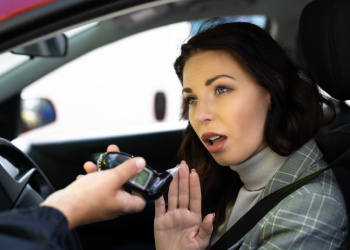 Being accused of a DUI refusal can feel frustrating and confusing, especially when you believe you weren’t impaired. You might be wondering how a refusal charge even applies if you weren’t driving drunk in the first place. Many people are surprised to learn that refusal allegations often come down to testing decisions made in stressful roadside situations rather than clear evidence of intoxication.
It’s also common to feel distressed after an arrest. The situation can move quickly, and it’s not always clear what rights you had at the time or whether those rights were respected. When emotions are high and pressure is immediate, it’s easy to feel like the outcome is already decided.
Roth Legal, A Professional Law Corporation, works with individuals facing DUI refusal allegations and helps them challenge charges tied to unclear or disputed circumstances. The firm is located in Modesto, California, and represents individuals throughout Stockton, Manteca, Merced, and across the state. If you’re dealing with a DUI refusal issue, reach out to them today to discuss your situation and next steps.
What a DUI Refusal Charge Actually Means
A DUI refusal charge doesn’t always mean someone was driving drunk. Instead, it usually relates to whether you agreed to chemical testing after a DUI stop. In many states, including California, drivers are subject to implied consent laws, which require chemical testing if lawfully arrested for DUI.
However, the key issue is whether the stop and arrest were lawful and whether you were properly informed of your obligations. A refusal allegation can sometimes be challenged if those conditions weren’t met.
In some situations, people refuse to be tested due to confusion, medical concerns, or unclear instructions from officers. These circumstances can matter when evaluating a DUI refusal charge. Roth Legal, A Professional Law Corporation, helps individuals review how the refusal was recorded and whether the situation truly supports a DUI allegation.
Challenging Whether the DUI Stop Was Lawful
One of the most important steps in fighting a DUI refusal charge is examining whether the initial stop was valid. If the stop itself was improper, the entire case could be affected.
Law enforcement must have a legal reason to stop your vehicle. Without that reason, evidence gathered afterward—including a DUI refusal—can be challenged. There are several common issues that can arise in these situations:
Lack of reasonable suspicion: Officers must observe a traffic violation or other specific behavior before initiating a DUI stop.
Unclear driving behavior claims: Vague or unsupported observations can weaken the basis for a stop.
Improper checkpoint procedures: DUI checkpoints must follow strict rules. Any deviation can affect the validity of the stop.
Mistaken identity situations: Errors in identifying the correct vehicle or driver can lead to wrongful allegations.
Video evidence contradictions: Dashcam or bodycam footage might not match the officer’s written report.
Each of these issues can impact whether a DUI refusal charge holds up. Reviewing the details of the stop is often one of the first steps in building a defense.
Disputing the Alleged Refusal of Chemical Testing
A DUI refusal charge often depends on whether the officer accurately documented your response to a request for testing. In some cases, people are accused of refusing even when they didn’t clearly decline.
Miscommunication is common during stressful traffic stops. You might have been confused, asking questions, or dealing with medical or language barriers. These factors can matter when reviewing a DUI refusal allegation. Roth Legal, A Professional Law Corporation, works with clients to examine what was said, how instructions were given, and whether the refusal was properly recorded:
Ambiguous communication issues: Statements like hesitation or confusion could be misinterpreted as a refusal.
Medical or physical limitations: Conditions such as breathing issues or injuries can affect the ability to comply with testing.
Language barriers: Misunderstandings due to language differences can impact whether consent was valid.
Improper advisement of rights: Officers must clearly explain the consequences of refusing chemical testing.
Incomplete reporting: Missing details in police reports can raise questions about accuracy.
After reviewing these factors, it could become clear that the DUI refusal allegation doesn’t accurately reflect what happened during the stop.
Medical, Behavioral, and Situational Defenses
Not all DUI refusal cases are based on intentional refusal. Sometimes, health conditions or situational factors explain what occurred during the traffic stop. For example, anxiety, panic responses, or medical conditions can affect how someone reacts when confronted by law enforcement. These reactions can be misunderstood in a DUI context. An experienced DUI lawyer will help evaluate whether these circumstances played a role in the refusal allegation:
Medical emergencies or conditions: Asthma, diabetes, or other conditions can interfere with testing ability.
Anxiety or panic responses: Stress during a DUI stop can lead to confusion or delayed responses.
Medication effects: Prescription medications can impact communication or physical coordination.
Officer interpretation errors: Behavior might be misread as refusal when it wasn’t intentional.
Temporary impairment factors: Fatigue or shock can affect decision-making during the stop.
These factors can provide important context when challenging a DUI refusal charge. They help show that the situation might not reflect intentional noncompliance.
Empathetic Guidance for DUI Refusal Cases
Facing a DUI refusal charge can feel stressful, especially when you believe you weren’t driving drunk or didn’t intentionally refuse testing. It’s normal to feel uncertain about what happens next or how to respond to the situation. These cases can move quickly, and the details often matter more than people realize. Roth Legal, A Professional Law Corporation, helps individuals across California—including Modesto, Stockton, Manteca, and Merced—work through DUI refusal allegations and pursue fair outcomes. If you’re dealing with a DUI refusal charge, reach out to them today.