
Was It Mutual Combat? How That Affects Assault Charges
Aug. 4, 2026
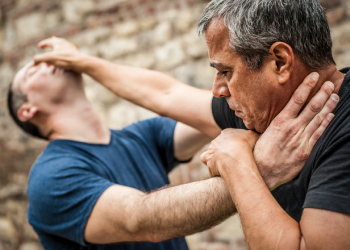 A physical confrontation rarely looks the same to everyone who witnessed it. One person may describe an unprovoked attack, while another says both people agreed to fight or willingly kept the confrontation going. When domestic violence allegations arise from the incident, the relationship between the people involved adds another layer to the criminal case.
The phrase “mutual combat” doesn't automatically excuse assaultive conduct or mean both people will face identical consequences. The first threat, initial use of force, any attempt to stop, and the level of force used all matter.
A strategic criminal defense attorney will review your specific case, craft a solid defense, and fight for your rights every step of the way. Roth Legal, A Professional Law Corporation is located in Modesto, California, and serves clients in Stockton, Manteca, Merced, and throughout California. Schedule a free consultation today to learn more about your options.
How Mutual Combat Affects a Self-Defense Claim
Mutual combat generally refers to a fight that begins or continues with the willing participation of both parties. Consent doesn't have to take the form of a spoken agreement. Stepping forward to exchange blows, accepting a challenge, or returning after being given a chance to leave could support the argument that the encounter was mutual.
A heated argument isn't automatically mutual combat. Words, insults, or angry gestures don't always amount to an agreement to fight, and a person who responds to an imminent attack isn't necessarily a willing participant. The distinction becomes especially important when domestic violence accusations involve conflicting accounts.
A person who willingly entered a fight usually faces additional difficulty invoking self-defense, which focuses on whether force was reasonably necessary to stop an imminent threat. The analysis changes when someone tries to stop, communicates that intent, gives the other person a reasonable chance to stop, and then is met with continued force.
An encounter takes on a different legal significance when one participant introduces a weapon or uses force likely to cause severe injury. Agreeing to a fistfight doesn’t necessarily amount to accepting that heightened level of danger, especially when domestic violence allegations involve claims that one partner tried to withdraw or end the confrontation.
Why Mutual Combat Doesn't Automatically End the Case
Prosecutors still examine each person's intent, the force used, and whether the conduct satisfies the assault charge. A court also considers whether one participant escalated the encounter beyond what the other person appeared willing to confront. Several issues often shape how a mutual fight affects an assault case:
How the encounter began: Threats, challenges, physical positioning, and the first use of force help show whether both people willingly entered the fight.
Whether either person withdrew: A clear attempt to stop, leave, or communicate an intent to disengage changes how later force is evaluated.
How the force escalated: Introducing a weapon or continuing after the other person is down can shift attention to the person who increased the danger.
What happened afterward: Calls for help, messages, medical treatment, and witness statements can support or weaken each person's account.
No single issue decides every case. A brief struggle could include an initial agreement to fight, an attempted withdrawal, and a renewed attack. The timeline therefore matters more than a broad label, leading to a close review of how officers and prosecutors interpreted the scene.
Evidence That Helps Clarify Who Did What
Mutual combat disputes in domestic violence cases often turn on details that are easy to overlook after an arrest. Preserving available material gives a criminal defense lawyer more information to compare with the police report. Useful evidence in a disputed assault case often includes:
Video or audio recordings: Security cameras, doorbell cameras, mobile phone videos, and recorded calls might capture the confrontation or later statements.
Messages and online communications: Texts, emails, and social media exchanges could show threats, challenges, attempts to calm the dispute, or admissions.
Witness accounts: Neighbors, relatives, friends, employees, or passersby might have observed events before, during, or after the physical contact.
Photographs and medical records: Images and treatment records help document injuries, their locations, and whether they align with a person's account.
Dispatch and officer records: Emergency calls, body-camera footage, and notes might reveal differences between initial statements and later claims.
Evidence also needs context. A photograph documents an apparent injury, but it doesn't establish who started the fight or whether the injury arose from an attack, a defensive response, or later escalation. Reviewing the materials together connects isolated details to the sequence of events, which is particularly important when the criminal defense case includes domestic violence charges.
Charges and Consequences That Might Follow
Different conduct, injuries, prior records, protective orders, or statements can lead to different decisions. The participants' relationship also matters because domestic violence cases can involve restrictions and collateral effects beyond the underlying assault allegation. Depending on the facts and filed charges, concerns might include:
Jail or probation exposure: The possible outcome depends on the offense, injury allegations, weapon claims, and other circumstances.
Protective orders: A court could restrict contact, communication, residence access, or proximity while the case is pending.
Firearm restrictions: A protective order or conviction could affect a person's ability to possess or purchase firearms.
Employment or immigration concerns: An arrest, pending case, or conviction might affect background checks, licensing, workplace duties, or immigration status.
Those effects make it risky to treat mutual combat as a complete answer. The defense still has to address the charged elements, the credibility of each account, and evidence of withdrawal, escalation, or lawful protection. Legal strategy then turns to the weaknesses, inconsistencies, and procedural issues present in the criminal defense case.
Speak With a Criminal Defense Lawyer
Mutual combat doesn't erase an assault charge, but the full timeline can affect self-defense, charging, and case strategy. Working with a knowledgeable lawyer is key to understanding your rights. From the office in Modesto, California, Roth Legal, A Professional Law Corporation serves clients in Stockton, Manteca, Merced, and throughout California in criminal defense cases involving consent, withdrawal, escalation, and self-defense. Contact a knowledgeable attorney to discuss the accusation, available evidence, and the circumstances surrounding the confrontation.